Eco-Friendly Pressure Washing Solutions for Patios
A clean patio makes outdoor living areas in Mawson Lakes more inviting, but the way you clean it matters. Conventional pressure washing can send detergents, oils, and debris into stormwater drains, which flow towards local wetlands, creeks, and the lakes that define the suburb. Eco-friendly pressure washing solutions let you remove grime, algae, and stains while protecting the environment and your outdoor surfaces.
Why Eco-Friendly Patio Cleaning Matters in Mawson Lakes
Mawson Lakes is known for its water-sensitive urban design, including constructed wetlands, retention basins, and landscaped waterways. Water that runs off a patio often enters the stormwater system, which in South Australia is generally separate from the sewer network and is not treated before it reaches natural waterways. Harsh chemicals, heavy sediment, and contaminants can harm aquatic plants, fish, and birdlife.
Under the South Australian Environment Protection Act 1993, it is an offence to cause environmental harm, and the General Environmental Duty requires people to take reasonable measures to prevent pollution. Choosing environmentally responsible cleaning methods is good practice for both homeowners and service providers.
Understanding the Environmental Impact of Traditional Methods
Chemical Runoff
Many commercial patio cleaners contain sodium hypochlorite (bleach), hydrochloric acid, or phosphate-based surfactants. These can damage surrounding lawns and garden beds, harm pets, and contribute to algal blooms when they enter waterways.
Water Consumption
A standard pressure washer typically uses between 8 and 15 litres of water per minute. Over a full patio clean, that can add up to hundreds of litres. In South Australia's dry climate, water efficiency is an important consideration, particularly during warmer months.
Contaminated Wastewater
Runoff carries more than detergent. It can include oil residues, moss and algae, paint flakes, and fine particles from old pavers or concrete. Allowing this wastewater to flow unchecked into drains is the main environmental risk of patio cleaning.
Eco-Friendly Cleaning Solutions That Work
Biodegradable Detergents
Look for products that are phosphate-free, low in volatile organic compounds, and readily biodegradable. Plant-based surfactants break down more quickly and are gentler on soil and plants. Check the safety data sheet and look for credible third-party certifications, such as Good Environmental Choice Australia (GECA), before you buy.
Oxygen Bleach (Sodium Percarbonate)
Oxygen-based cleaners are an effective alternative to chlorine bleach. When mixed with water, sodium percarbonate releases oxygen and breaks down into soda ash and water. It is effective on algae, mould, and organic stains on pavers, concrete, and timber decking, and it is far less harmful to nearby vegetation when used correctly.
White Vinegar and Bicarbonate Soda
For light staining and small areas, household ingredients can be useful. White vinegar helps tackle mild algae and mineral deposits, while bicarbonate soda works as a gentle abrasive paste for spot treatment. Avoid using vinegar on natural stone such as limestone, travertine, or marble, as the acid can etch the surface.
Enzyme-Based Cleaners
Enzyme cleaners break down organic matter such as bird droppings, food spills, and mould. They work more slowly than harsh chemicals, but they are biodegradable and suit patios near gardens or play areas.
Water-Saving Pressure Washing Techniques
The equipment and technique you use can reduce water consumption significantly without sacrificing results.
- Use the right nozzle: A 25 or 40 degree fan nozzle covers more area efficiently and reduces the risk of surface damage compared to a narrow zero-degree jet.
- Choose a surface cleaner attachment: A rotary surface cleaner delivers even results across flat patios, uses less water, and limits overspray.
- Select an efficient machine: Many modern electric pressure washers deliver strong cleaning performance at lower flow rates, and they produce fewer emissions than petrol models.
- Pre-treat stains: Letting a biodegradable cleaner dwell on the surface for 10 to 15 minutes reduces the time and water needed for rinsing.
- Sweep first: Removing loose leaves, dirt, and debris with a broom reduces the volume of contaminated runoff.
- Work in sections: Cleaning and rinsing small areas at a time stops detergent from drying on the surface and avoids wasting water.
Managing Wastewater Responsibly
Even with eco-friendly products, managing where the water goes is an essential step.
Direct Runoff to Permeable Areas
Where possible, direct rinse water onto lawn or garden beds, which can filter fine sediment and naturally break down mild biodegradable cleaners. Avoid this if you have used any strong chemical product, and take care with salt-sensitive or delicate plants.
Block Stormwater Drains
Use drain covers or sealing mats to stop wastewater from entering stormwater pits. Collected water can then be removed with a wet vacuum and disposed of appropriately. Where in doubt, the sewer (via a laundry tub or similar) is generally a safer destination than the stormwater system. Check with your local council or the EPA SA for current guidance.
Capture Solids
Sediment, paint chips, and moss should be swept up and placed in your general waste or green waste, depending on what was removed. Never wash these materials into the street or gutter.
Choosing the Right Method for Your Patio Surface
Different materials require different approaches. Using the right method protects both the surface and the environment.
Concrete
Concrete is durable and responds well to moderate pressure and oxygen bleach. Use a surface cleaner for uniform results and avoid excessive pressure that can expose aggregate.
Clay and Concrete Pavers
Pavers need controlled pressure to avoid eroding joints and removing sand between them. After cleaning, re-sanding the joints with polymeric or kiln-dried sand helps stabilise the pavers and discourage weed growth, reducing the need for herbicides.
Natural Stone
Limestone, sandstone, and bluestone are porous and can be damaged by acids and high pressure. Use a low-pressure wash with a pH-neutral, biodegradable cleaner, and consider a professional assessment for valuable or older stonework.
Timber Decking
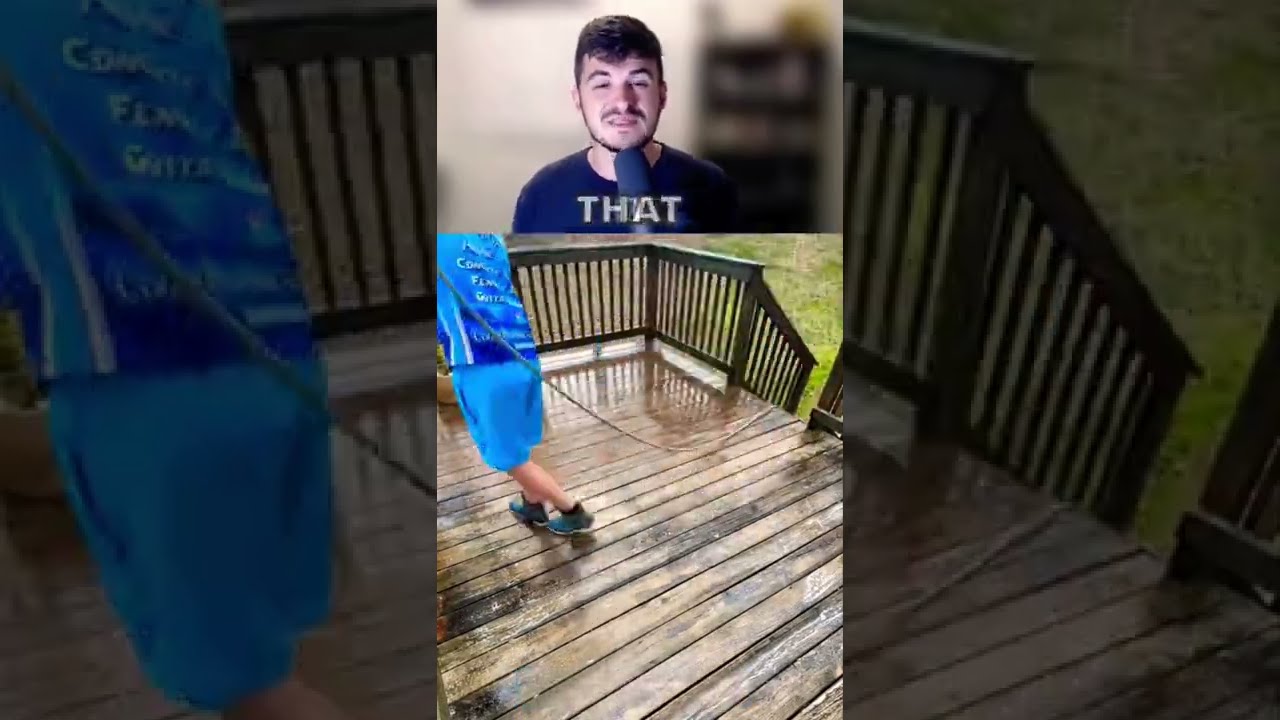
Timber needs low pressure, generally below 1,500 PSI, and cleaning along the grain. Oxygen bleach or a purpose-made timber cleaner is preferable to chlorine, which can weaken fibres and strip natural oils.
Low-Water and No-Pressure Alternatives
In some cases, you may not need a pressure washer at all.
- Soft washing: Uses low pressure combined with a gentle cleaning solution to kill algae and mould at the root, which can keep surfaces cleaner for longer.
- Steam cleaning: Hot steam lifts grime, grease, and organic growth using minimal water and no detergents.
- Manual scrubbing: A stiff-bristled broom and a biodegradable cleaner can be effective for small or lightly soiled patios.
Preventing Future Build-Up
The most sustainable cleaning is the cleaning you do less often. A few preventative steps can extend the time between washes.
- Trim overhanging branches to increase sunlight and airflow, which reduces moss and algae growth.
- Improve drainage so water does not pool on the surface.
- Sweep regularly to remove leaves and organic matter before they stain.
- Apply a breathable, water-based sealer to pavers or concrete after cleaning to resist stains and growth.
- Place mats under pots and barbecues to catch drips and rust marks.
When to Hire a Professional
Professional cleaners https://pressurecleaningmawsonlakes.com.au/deck-cleaning/ can be a sensible choice for large patios, delicate surfaces, or heavily stained areas. When comparing providers in the Mawson Lakes and wider northern Adelaide area, ask the following questions:
- Do you use biodegradable, phosphate-free cleaning products?
- How do you capture and dispose of wastewater?
- Do you use water-efficient equipment such as surface cleaners or recycling systems?
- Are you insured, and can you provide references?
- Can you recommend a method suited to my specific patio material?
Reputable operators will be happy to explain their processes and show how they protect local waterways.
Best Timing for Patio Cleaning in Mawson Lakes
Adelaide's Mediterranean climate offers plenty of suitable cleaning days. Mild, overcast mornings in autumn and spring are ideal, as cleaning solutions have time to work without drying too quickly. Avoid cleaning on very hot or windy days, when products evaporate rapidly and overspray can drift onto neighbouring properties. Also check for any current water restrictions or council notices before you begin.
Final Thoughts
Eco-friendly pressure washing is about making smarter choices at every stage: selecting biodegradable products, using water-efficient equipment, matching your method to your patio surface, and keeping wastewater out of the stormwater system. These practices protect the lakes, wetlands, and green spaces that make Mawson Lakes such a pleasant place to live, and they help your patio stay clean and attractive for years to come. Whether you tackle the job yourself or hire a professional, a considered, environmentally responsible approach delivers excellent results for your home and your community.

Mawson Lakes Pressure Cleaning
Unit 7/12 William St, Cavan SA 5094
(08) 7282 0689